
Anchoring the Future: How Northeast Pennsylvania Is Redefining Cryptocurrency Through Physical Infrastructure
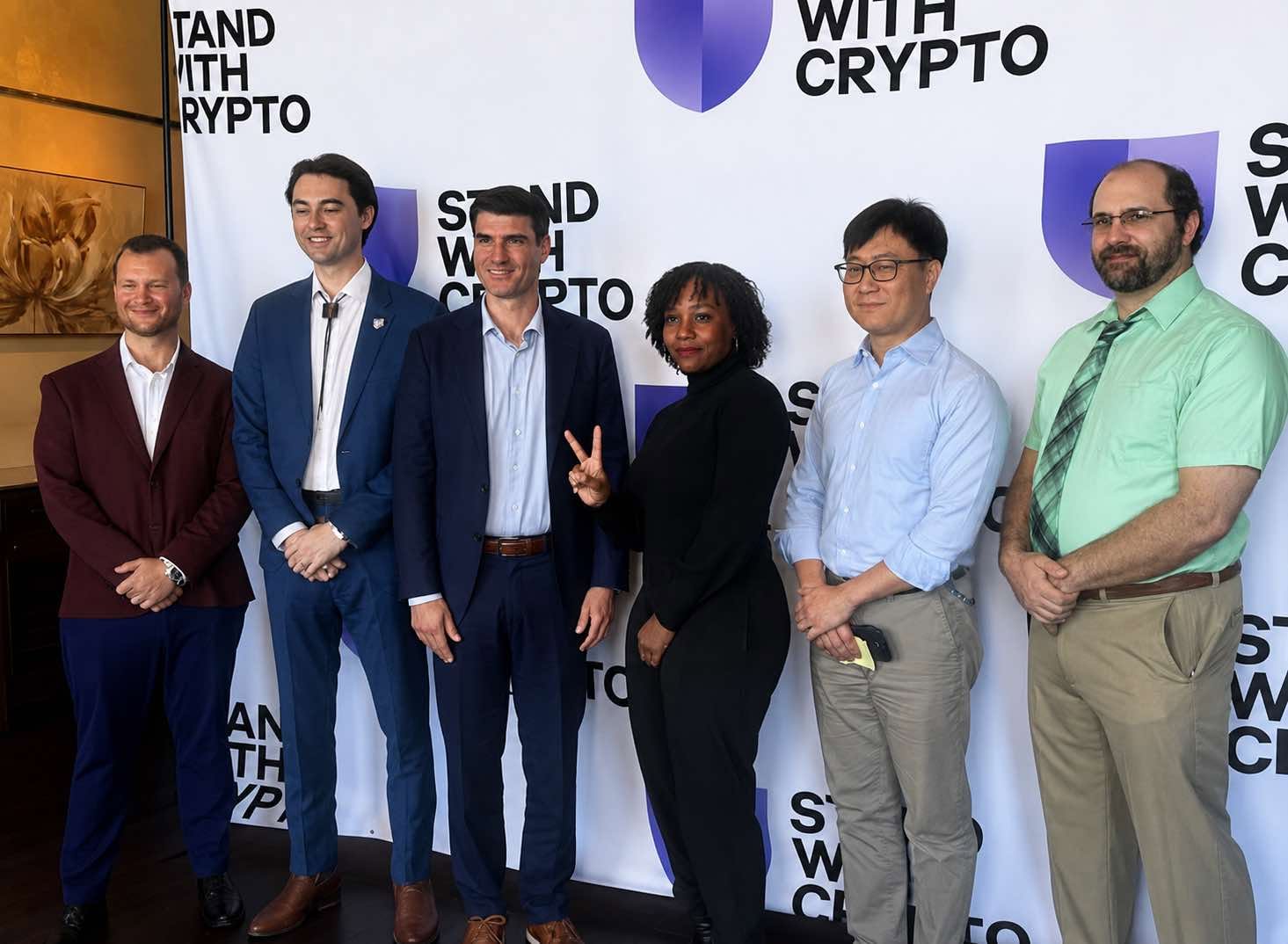
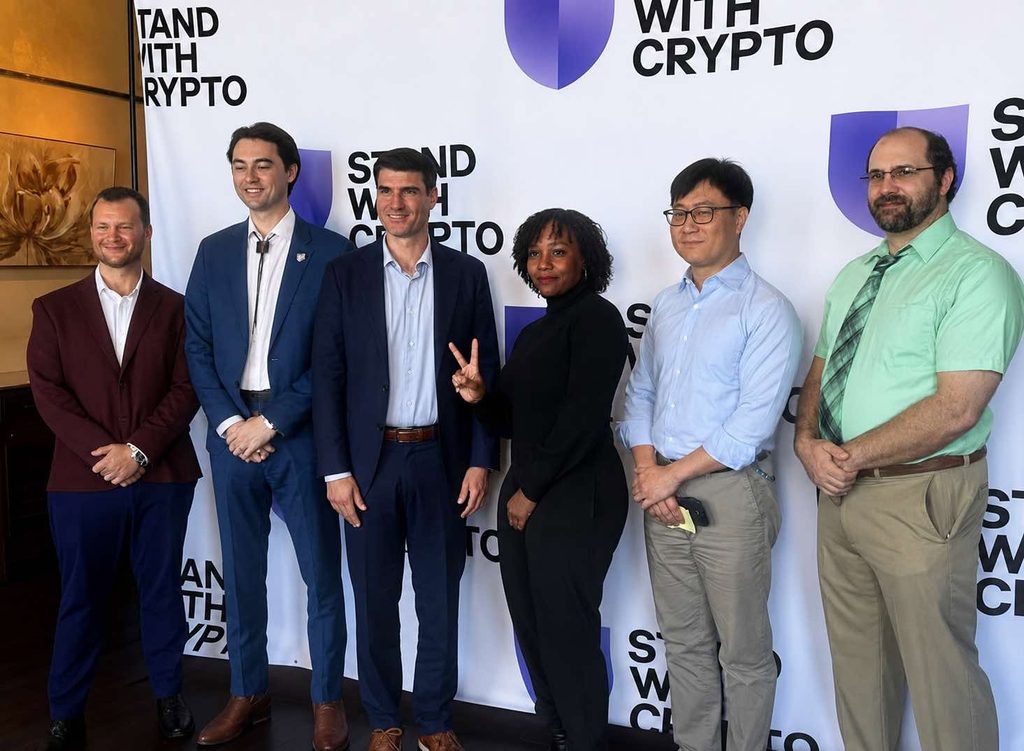
SCRANTON, Pa. — At a September 25th regional roundtable focused on the economic future of Northeast Pennsylvania, tech leaders, academics, and business executives gathered to debate a pressing question: Where does cryptocurrency naturally fit into the region’s long-term growth?
While much of the afternoon’s discussion centered on familiar topics—digital payment processing, financial tech adoption, and speculative assets—one panelist presented an entirely different paradigm.
Rashida Lovely, CEO of Newave Enterprise, introduced a novel framework that bridges distributed ledger technology directly with real-world infrastructure. Grounded in her Ce System architecture and Nested Temporal Model, Lovely proposed pegging blockchain protocols to physical anchors—such as local energy grids, housing developments, and municipal utility systems—to deliver everyday utility to Pennsylvanians.
Moving Beyond Speculation
For years, mainstream adoption of cryptocurrency has been hindered by volatility and a lack of tangible connection to daily life. Lovely’s approach flips the standard blockchain model on its head by requiring protocol consensus to be backed by verifiable physical performance rather than abstract computation.
“Cryptocurrency cannot remain an isolated digital token if it expects to transform communities,” Lovely explained during the panel. “By anchoring the protocol to real, physical assets—like sustainable energy systems and commercial corridor developments—we create real-world utility and stable economic value that residents can interact with every day.”
Under the Ce System, ledger entries are tied to the Co-Existence Coefficient ($\text{Ce}$), a measurement calculated from spatial, environmental, and temporal alignment across physical nodes. Instead of rewarding arbitrary data processing, the network validates actual efficiency gains, localized resource management, and physical infrastructure improvements.
A Multi-Layered View of Time and Value
Central to Lovely’s model is the Nested Temporal Framework, which shifts how financial ledgers calculate value over time:
- Immediate Horizon (Seconds to Hours): Real-time monitoring of node operations, energy distribution, and system load balancing.
- Medium Horizon (Months): Accrual of tangible tenant equity in lease-to-own community projects and stabilized utility costs.
- Long Horizon (Decades): Multi-generational asset wealth, resilient urban infrastructure, and sustainable regional development.
By embedding non-linear time horizons into the consensus mechanism, short-term market speculation is buffered by long-term physical stability.
Gaining Traction Among Regional Leaders
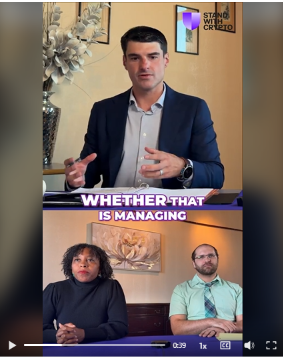
The practical focus of Lovely’s proposal resonated across sectors, catching the attention of Congressman Rob Bresnahan, who attended the roundtable to evaluate emerging tech initiatives for the district.
Bresnahan recognized the immediate applicability of anchoring blockchain tech to economic development projects across the North East region. As a business owner with deep roots in regional commercial development, he noted how the theoretical model provides a realistic, scalable blueprint for property development, transparent funding allocation, and community revitalization.
As municipal leaders and developers look for innovative strategies to modernize regional infrastructure, Northeast Pennsylvania is quietly positioning itself as a hub for next-generation, utility-backed digital systems—proving that the real power of blockchain lies firmly on the ground.